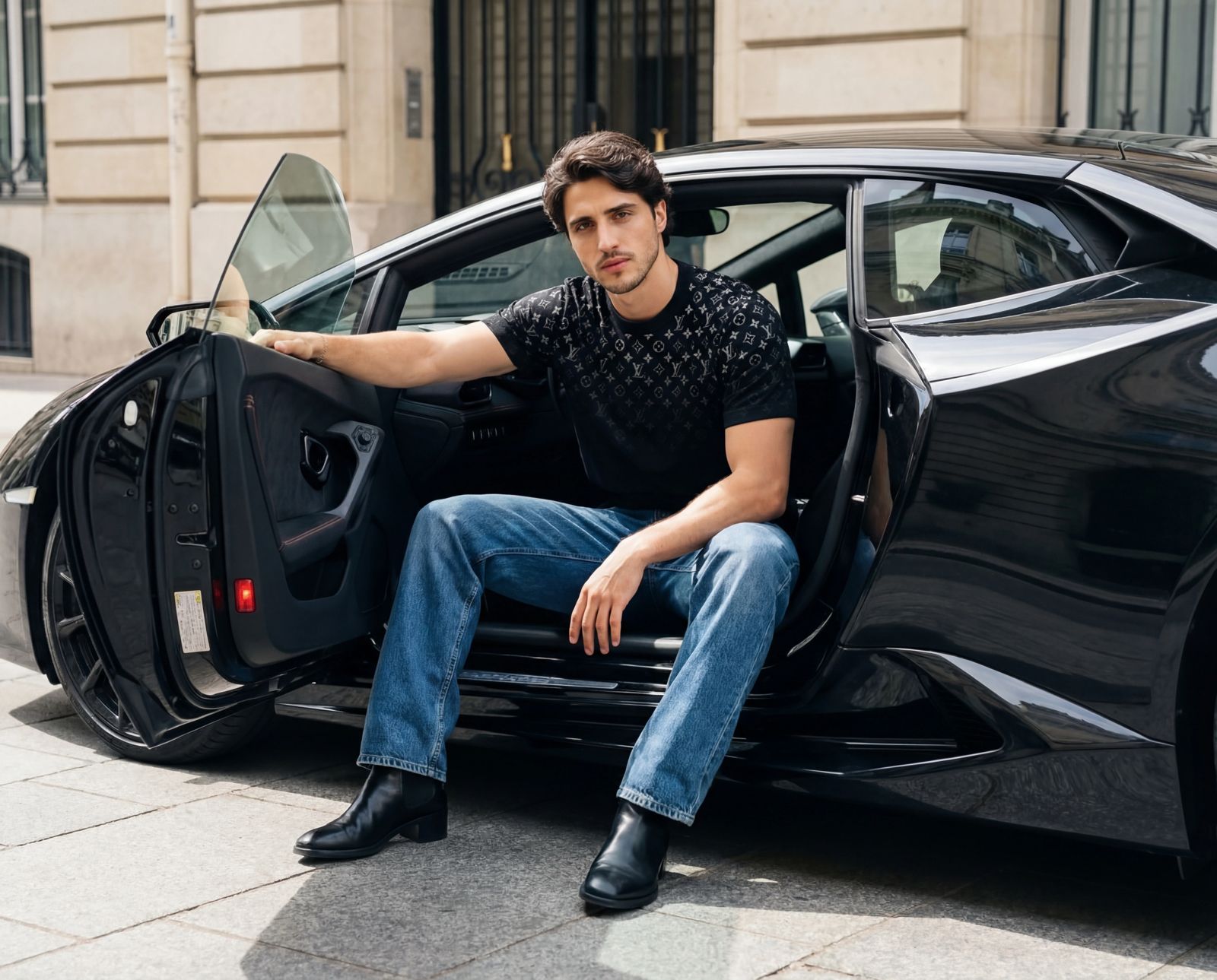
In an industry long driven by seasonal urgency and constant novelty, luxury fashion is entering a new phase — one defined by restraint, longevity, and recalibration. Across Paris, Milan, and global fashion capitals, brands are quietly pulling back from excess. Fewer collections. More focus. Tighter narratives.
And at the center of this shift sits an unexpected hero: the luxury T-shirt.
Over the past 12 to 18 months, industry signals have become impossible to ignore. Major fashion houses are reducing runway spectacle, rethinking wholesale strategies, and placing renewed emphasis on pieces that perform consistently — both commercially and culturally. In this environment, the T-shirt has evolved from supporting item to strategic cornerstone.
A Market Adjusting, Not Collapsing
Despite headlines predicting downturns, luxury is not shrinking — it is rebalancing.
Consumers are buying differently. Instead of chasing trend-driven items, they are investing in pieces that integrate seamlessly into daily wardrobes. According to multiple retail reports and buyer insights, sell-through is strongest on categories that combine recognisability with practicality.
Designer T-shirts sit perfectly at that intersection:
-
Lower entry point than outerwear or tailoring
-
High brand visibility
-
Seasonless relevance
-
Strong repeat-purchase behavior
For brands, this makes T-shirts not just products, but stability anchors.
Why Luxury Houses Are Doubling Down on Essentials
Behind the scenes, luxury brands are responding to three converging realities:
1. The End of Overproduction
Excess inventory has become a liability. Brands are tightening assortments and focusing on proven silhouettes. Clean logo T-shirts, refined graphics, and controlled oversized fits outperform experimental pieces across markets.
2. The Rise of Everyday Luxury
Luxury is no longer reserved for events. It is worn daily — to travel, to work, to social environments. T-shirts naturally lead this shift, especially when elevated through fabric, cut, and branding discipline.
3. Cultural Fatigue With Hype
Consumers are showing clear fatigue with loud, short-lived trends. The market is favoring quiet authority — pieces that signal taste without demanding attention. This is reflected in the renewed popularity of minimal logo placement and heritage branding.
How Key Houses Are Responding
While each brand maintains its own identity, patterns are emerging across the industry.
Balenciaga continues to push volume and uniform-inspired silhouettes, reinforcing the idea of the T-shirt as a modern garment of power rather than decoration.
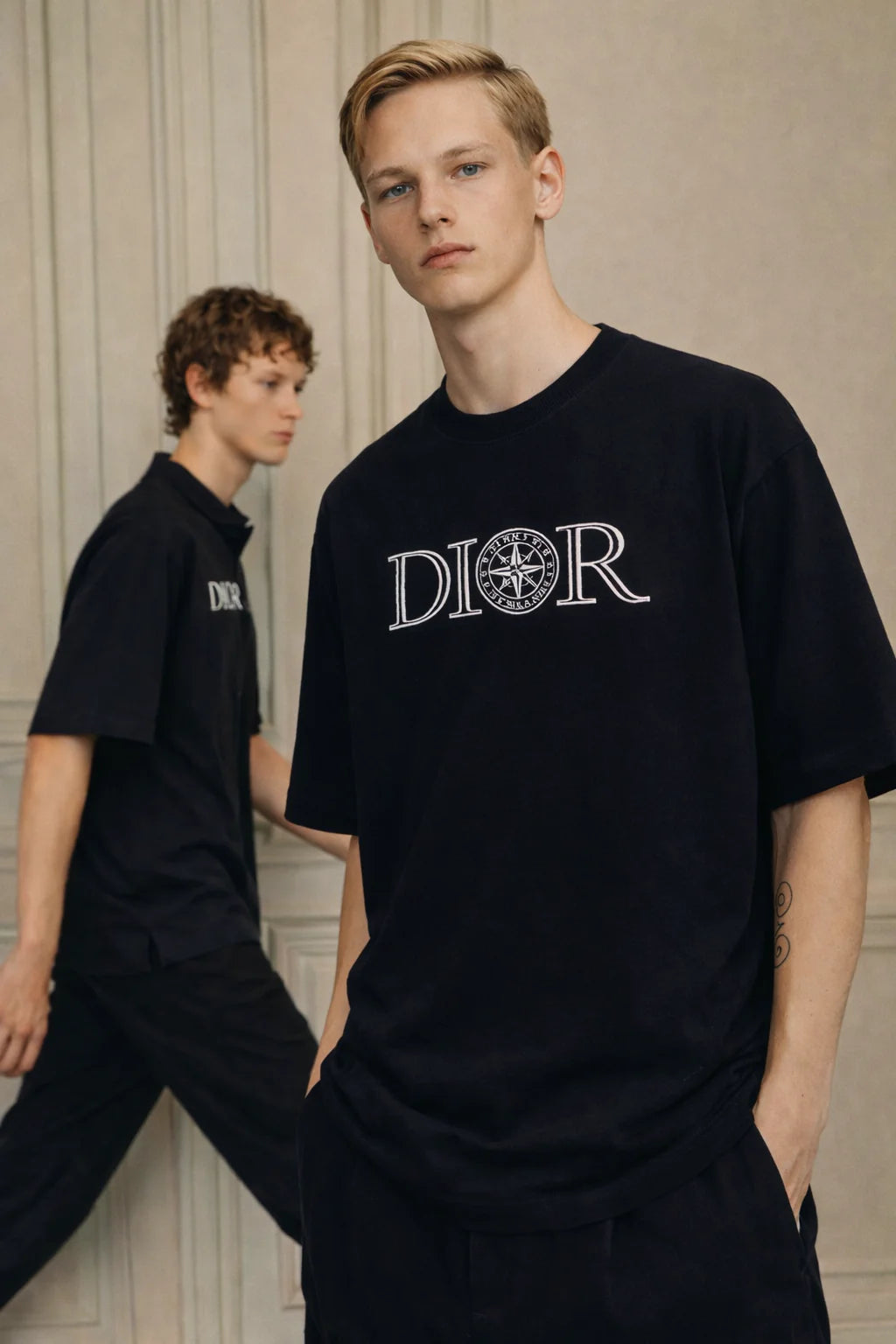
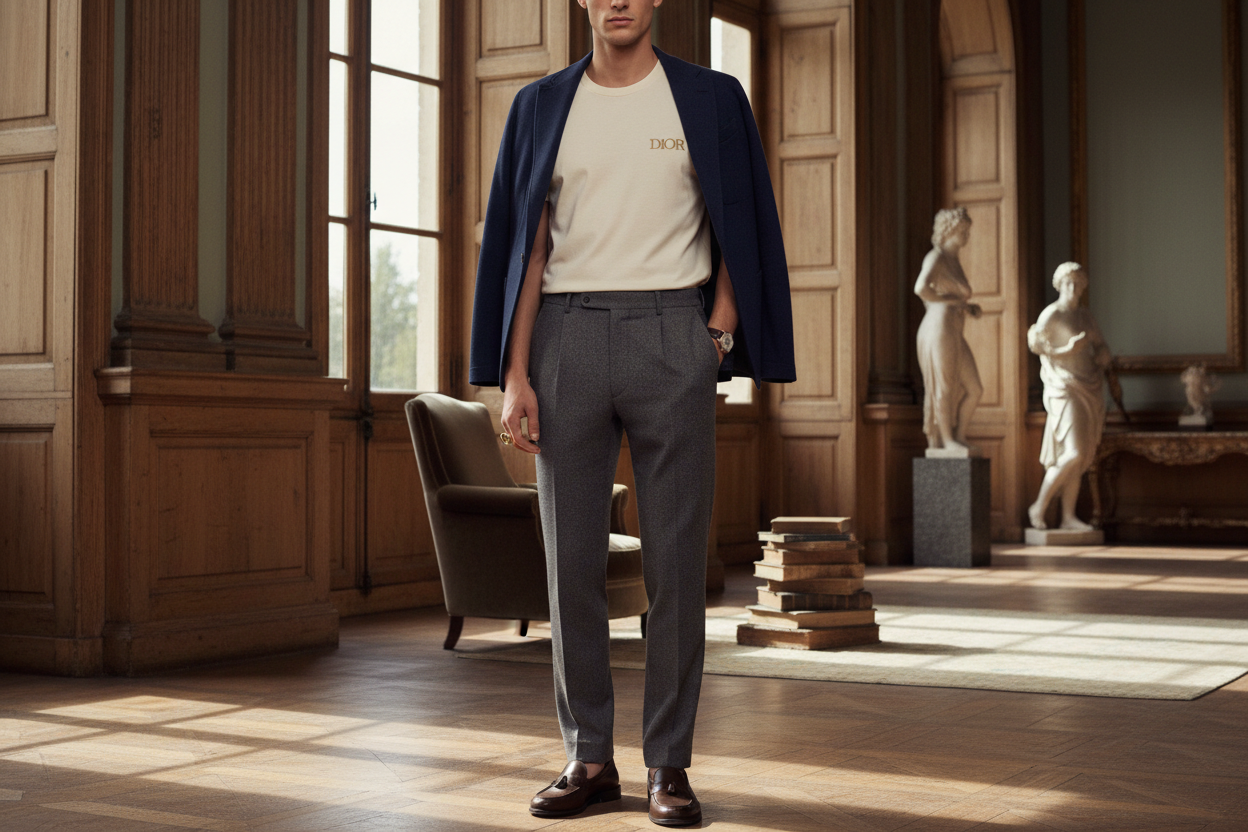
Dior refines its approach, leaning into precision, subtle branding, and couture-informed proportions — positioning the T-shirt as a polished foundation piece.
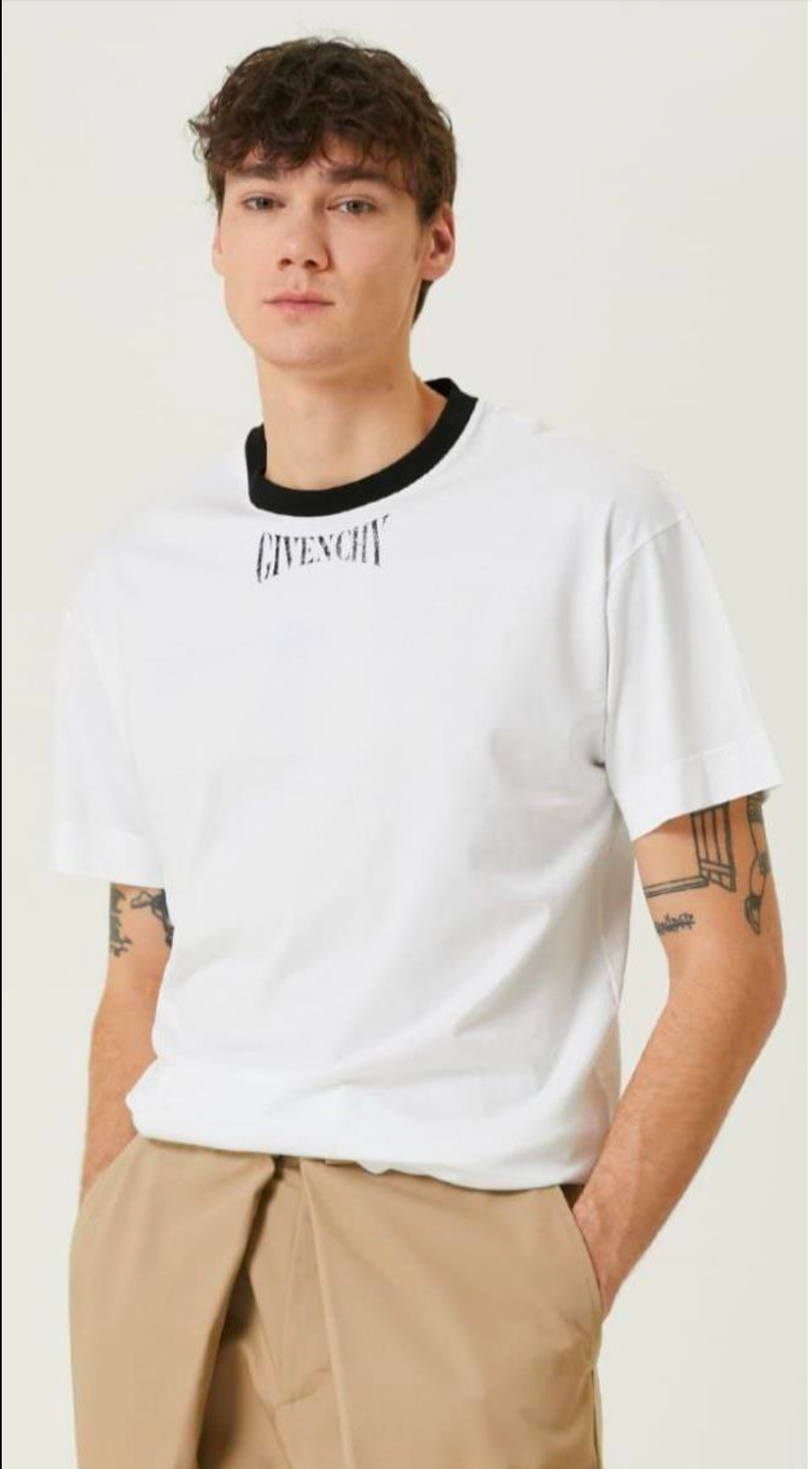
Givenchy balances graphic heritage with control, offering logo-driven designs that feel deliberate rather than aggressive.
Louis Vuitton anchors its strategy in recognisability, using monograms and typography as cultural signals that translate effortlessly across global markets.
The common thread is focus. None of these brands are flooding the market. They are editing.
Retailers Are Following Suit
Luxury retailers and curator platforms are adapting alongside brands. Product selection is becoming more intentional, with fewer SKUs and stronger storytelling. Instead of pushing volume, retailers are guiding clients toward understanding — fit, fabric, and identity.
Search data reflects this shift. Queries around “fit,” “sizing,” and “best luxury T-shirt” are climbing faster than trend-based searches. Consumers are researching before purchasing, and platforms that provide clarity are capturing trust — and traffic.
What This Means for the Next 12 Months
The luxury T-shirt is no longer a seasonal item. It is a strategic category.
Industry analysts expect:
-
Continued investment in premium jersey fabrics
-
Greater differentiation between oversized, relaxed, and tailored fits
-
Fewer but stronger logo executions
-
Increased editorial framing around everyday garments
In short, the market is rewarding brands and retailers who respect the intelligence of their audience.
A New Definition of Relevance
Luxury’s next chapter is not about being louder.
It’s about being precise.
As fashion recalibrates, the T-shirt stands as a symbol of this evolution — simple in form, complex in intention. It reflects how men dress today and how luxury must adapt to remain relevant tomorrow.
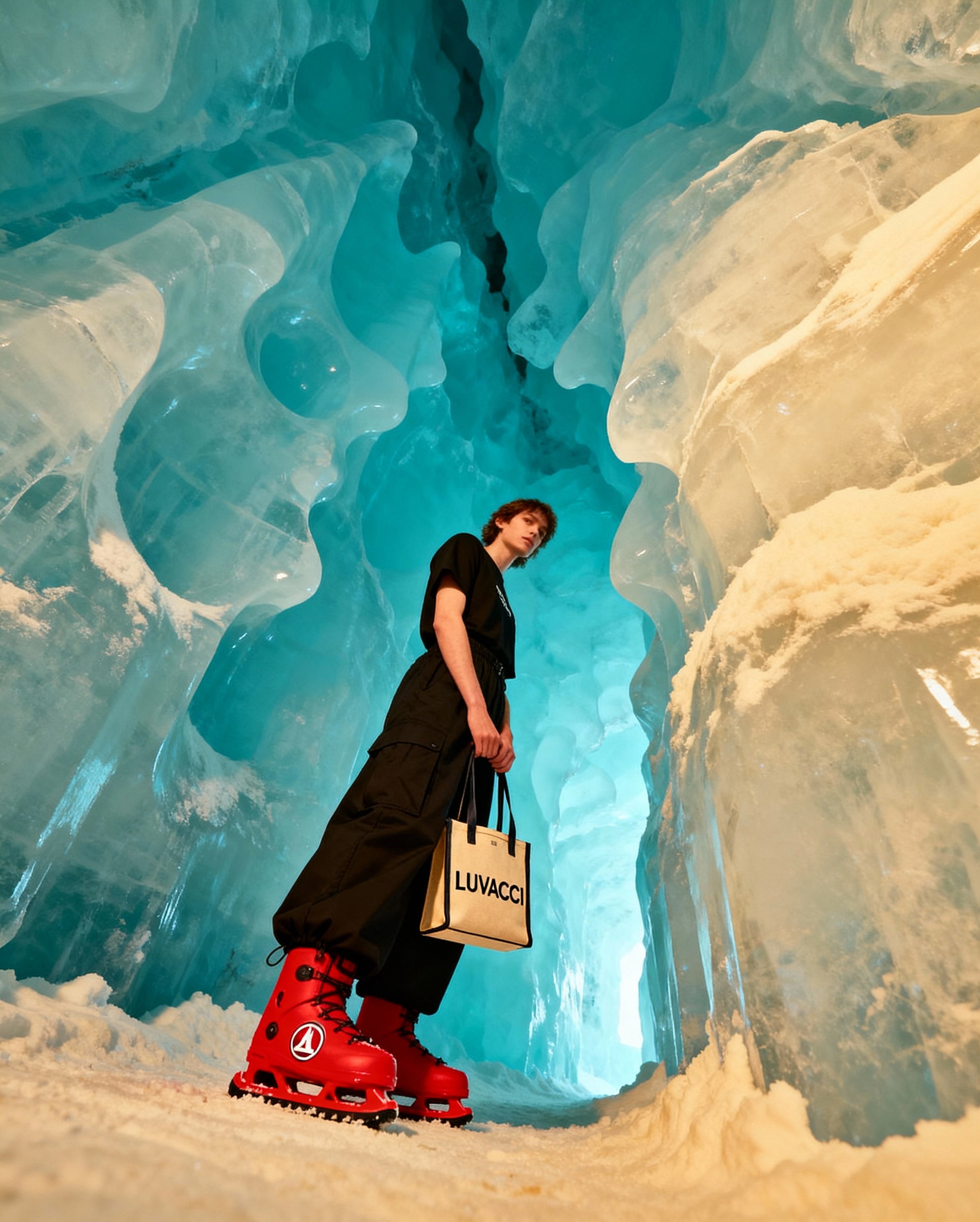
For curator-led platforms like LUVACCI, this moment reinforces a clear philosophy: selection matters more than saturation, and understanding matters more than hype.
The industry is slowing down — and in doing so, it’s getting sharper.