el mahdi najib
Dec 26, 2025
There was a time when the T-shirt existed purely as an underlayer — functional, anonymous, almost invisible. Today, it stands at the center of luxury menswear, carrying the weight of heritage, identity, and cultural relevance. In the hands of the world’s most influential fashion houses, the T-shirt has evolved into a statement piece that reflects how modern luxury is worn, lived, and understood.
This transformation did not happen overnight. It is the result of decades of shifts in tailoring, lifestyle, and power dynamics within fashion — where the street met the atelier, and everyday garments began to carry the same authority as a tailored jacket.
From Utility to Icon
The rise of the luxury T-shirt mirrors a broader change in how men dress. As formality softened and silhouettes expanded, fashion houses were forced to redefine elegance. What emerged was a new language — one rooted in comfort, volume, and attitude rather than strict tailoring.
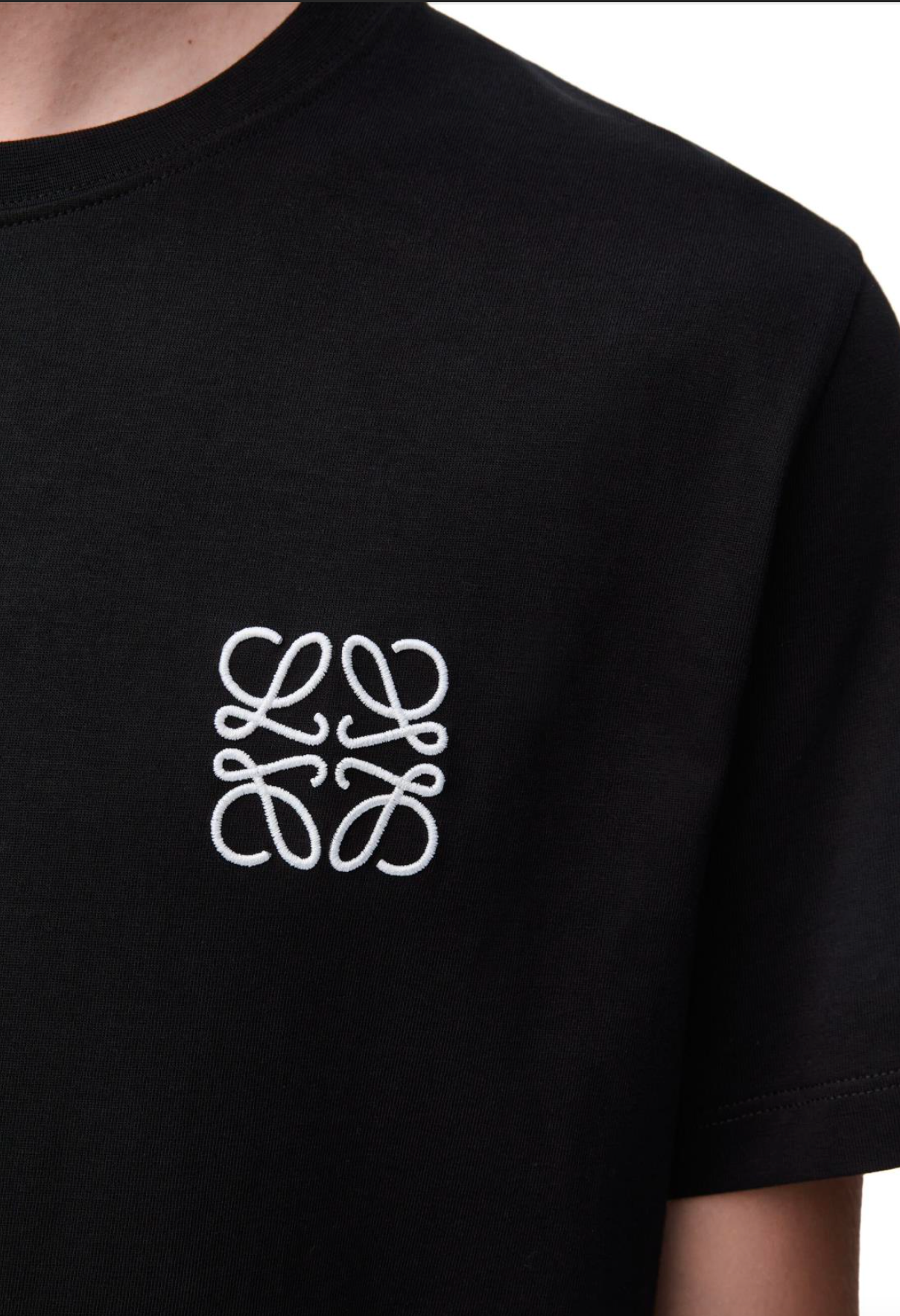
Designers began to treat the T-shirt not as a secondary item, but as a canvas. Logos were no longer loud by default; they became intentional. Placement, scale, typography, and fabrication turned a basic garment into a recognisable signature.
What separates a luxury T-shirt from an ordinary one is not simply branding — it is proportion, construction, and cultural context. The cut of the shoulder, the drop of the sleeve, the weight of the cotton, the way the fabric moves on the body — these details define whether a piece feels considered or disposable.
The House Perspective: Identity Woven Into Fabric
Each major luxury house approaches the T-shirt through its own lens, informed by history and creative direction.
At Balenciaga, the T-shirt functions as a modern uniform. Oversized silhouettes, athletic references, and graphic restraint reflect a philosophy where clothing mirrors contemporary life. These pieces feel deliberate — almost architectural — built around volume and presence rather than decoration.
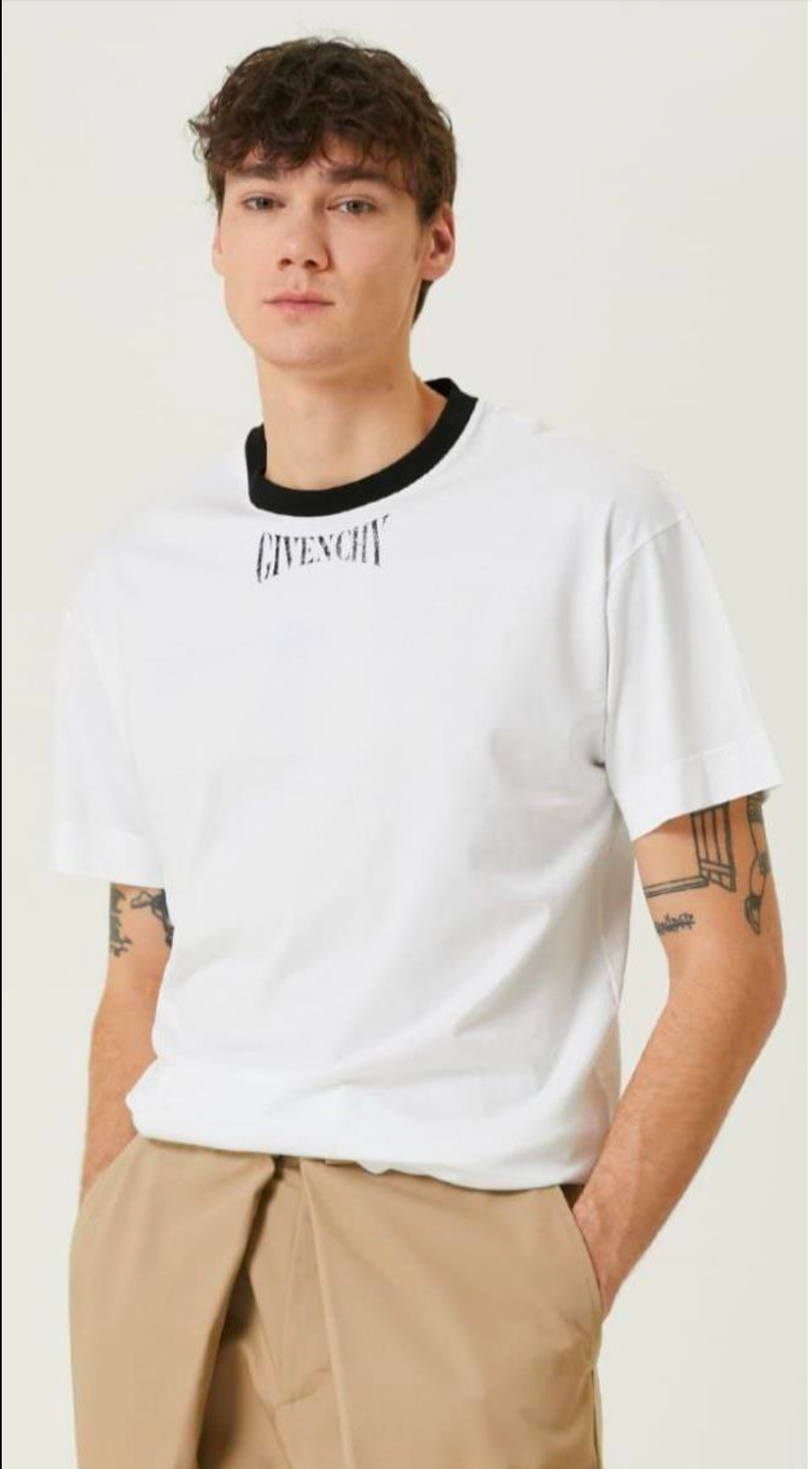
Givenchy injects graphic tension and Parisian edge. Logos often feel sharp, crests symbolic, and proportions clean but assertive. There is a sense of rebellion contained within structure — a balance between couture heritage and modern defiance.
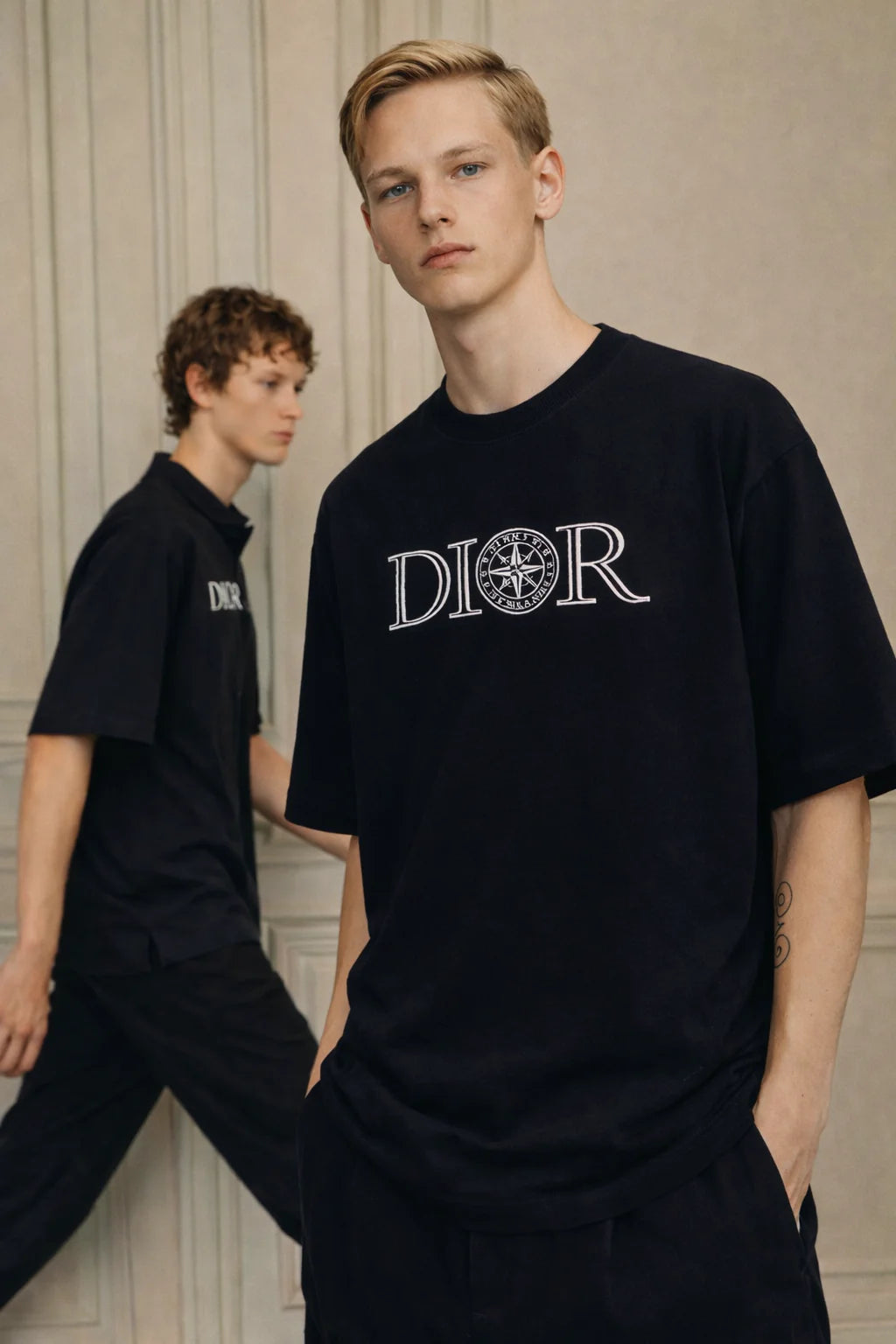
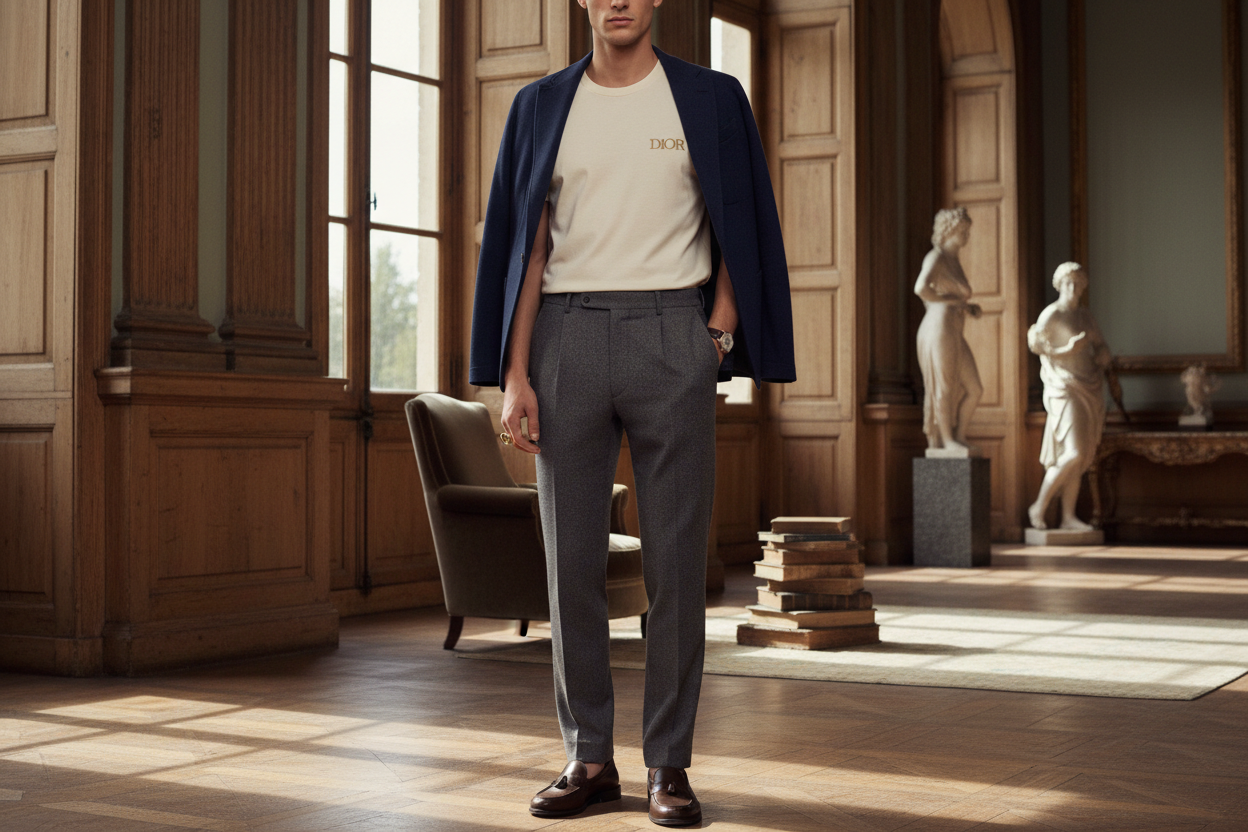
With Dior, refinement takes the lead. Even when silhouettes relax, the brand’s tailoring DNA remains visible. Logos are discreet, finishes precise, and fabrics elevated. The Dior T-shirt is less about impact from afar and more about quiet confidence up close.
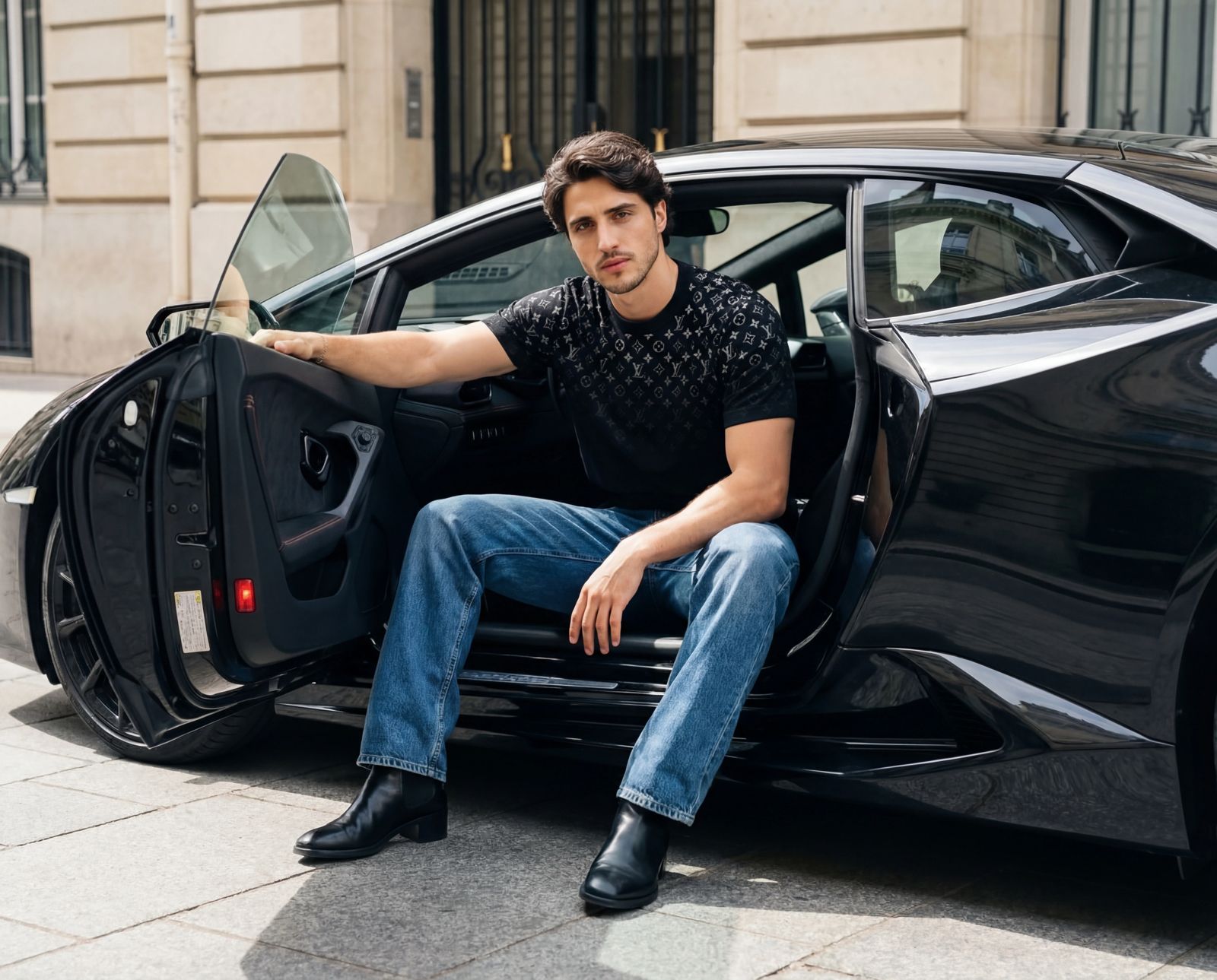
Louis Vuitton brings heritage into dialogue with the present. Monograms, typography, and references to travel and craftsmanship transform the T-shirt into a narrative object — one that connects streetwear with a century-old legacy.
These distinctions matter. They shape how a garment is worn, styled, and perceived. A luxury T-shirt is never generic; it carries the philosophy of the house behind it.
Why the Luxury T-Shirt Matters Now
In a world where wardrobes are increasingly streamlined, versatility has become a luxury of its own. The modern consumer no longer buys clothing for a single context. A T-shirt must transition seamlessly — from day to night, from casual to considered, from personal expression to social signal.
Luxury T-shirts answer this need. They anchor outfits without overpowering them. They allow individuality without excess. They feel intentional without feeling forced.
Just as importantly, they reflect a shift in power: luxury is no longer about distance or formality. It is about relevance. A perfectly cut T-shirt worn with confidence speaks louder today than an outfit built on rigid tradition.
Curation Over Accumulation
What defines a modern luxury wardrobe is not volume, but selection. A small rotation of well-chosen T-shirts can form the foundation of countless looks. Neutral tones, elevated graphics, and refined silhouettes allow for repetition without redundancy.
This is where curation becomes essential. Understanding which brands align with which moods, occasions, and identities transforms shopping into an editorial act rather than a transactional one.
A Balenciaga T-shirt does not serve the same purpose as a Dior one — and it shouldn’t. Each belongs to a different moment, a different energy, a different expression of self.
The T-Shirt as a Cultural Artifact
More than any other garment, the T-shirt captures the spirit of its time. It reflects how men move, work, travel, and consume culture. When shaped by luxury houses, it becomes a cultural artifact — a quiet but powerful indicator of where fashion stands today.
In its simplicity lies its strength. In its evolution lies its relevance.
The modern luxury T-shirt is not a trend. It is a cornerstone — and it will remain so as long as fashion continues to reflect real life rather than escape from it.
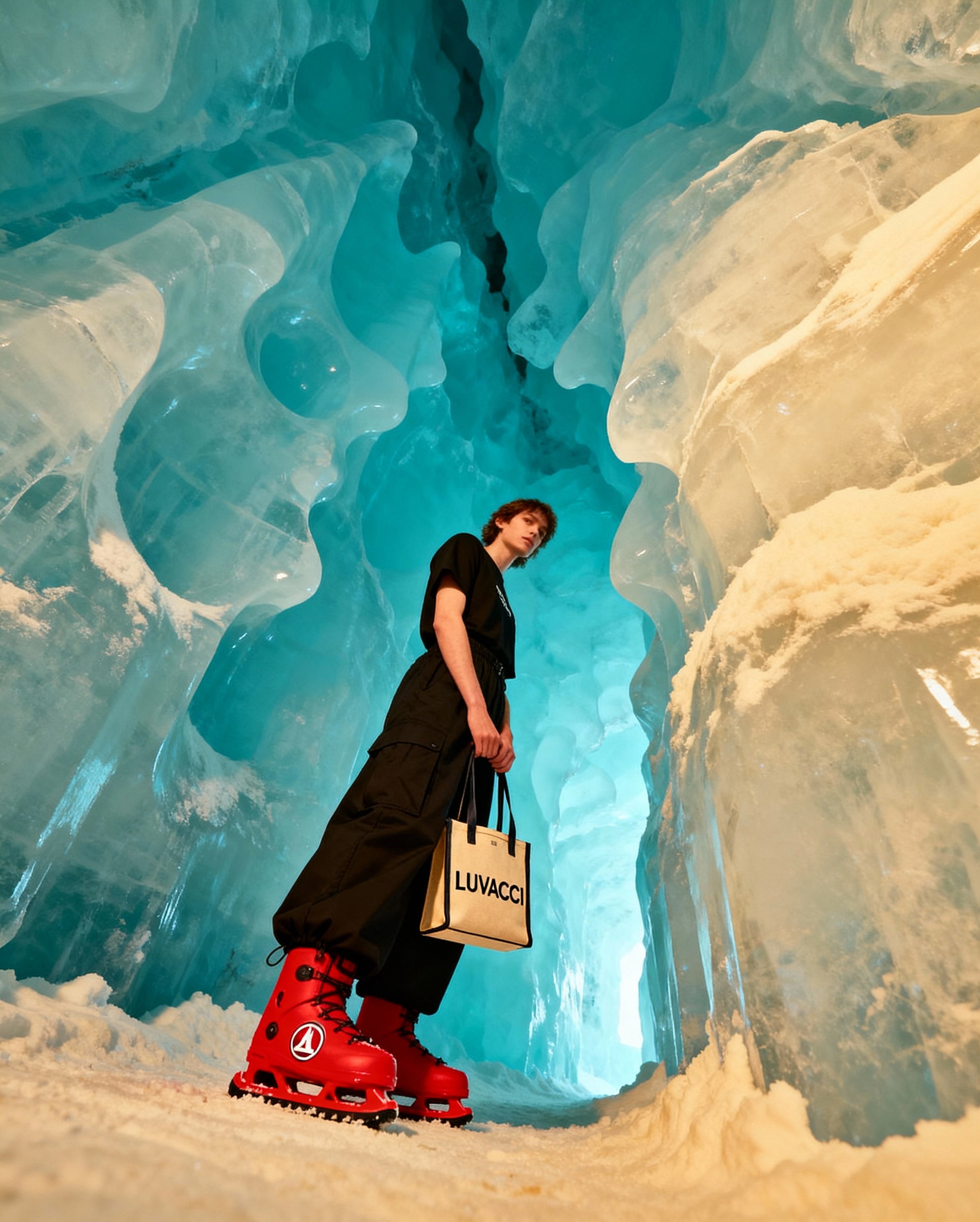
Curated perspective by LUVACCI — where modern luxury is defined through intention, heritage, and contemporary culture.